 YHTECH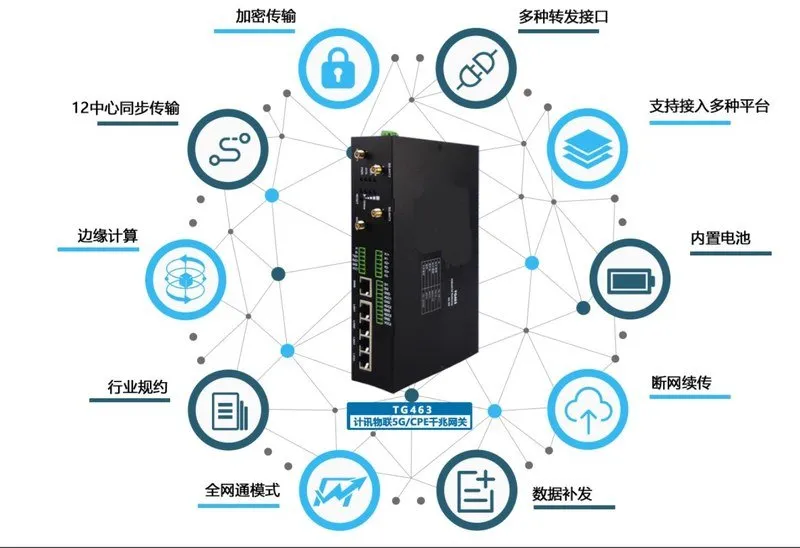
Industrial IoT Gateways: DTU, ECU and Sensor Networks Explained
Most factory equipment was never designed to talk to the cloud. Industrial IoT gateways bridge that gap, translating Modbus, RS-485 and proprietary protocols into MQTT/HTTP for cloud platforms. Choosing the right gateway is the foundation of any smart manufacturing project.
DTU vs ECU vs Smart Gateway
DTU (Data Transfer Unit): transparent serial-to-wireless converter (RS-232/485 → 4G/NB-IoT). Best for simple telemetry from meters, sensors and PLCs with no edge logic needed.
ECU (Edge Computing Unit): adds local processing — data filtering, protocol conversion, alarm logic and local storage before upload. Ideal when bandwidth is limited or millisecond responses are required.
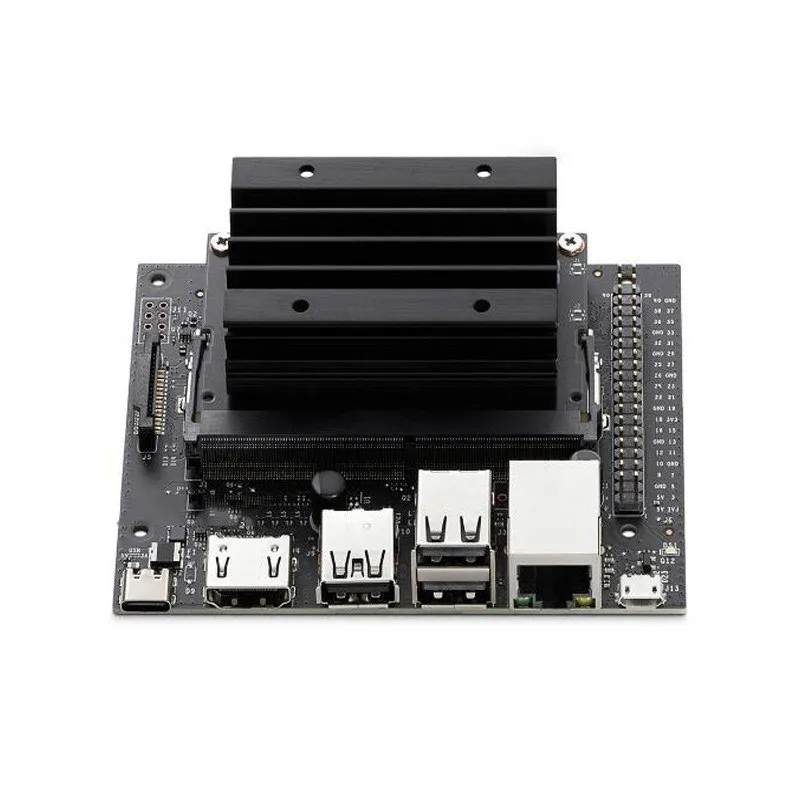
Smart Gateway: multi-protocol aggregation hub for large deployments, often with touchscreen, Linux OS and container support for edge AI inference.
Protocol Considerations
Match the gateway to your uplink environment: NB-IoT/LoRa for low-power scattered sensors, 4G for mobile assets, WiFi/ethernet for fixed production lines. Downlink, ensure Modbus RTU/TCP, CAN, and common PLC protocols are natively supported.
Building a Unified Device Platform
Start with one gateway family for all device types to simplify management, then layer on a cloud platform with device registry, firmware OTA, alarm routing and dashboards. Our gateways support WiFi/4G/NB-IoT/LoRa in one hardware platform.
YHTECH's industrial IoT gateways provide multi-protocol communication (WiFi/4G/NB-IoT/LoRa/Zigbee) with cloud platform + APP one-stop services. Talk to our engineers about your connectivity challenge.