 YHTECH Home
机器人和物理技术AI能够负责任地应对重大人身安全挑战
How robotics and physical AI can responsibly tackle key physical security challenges
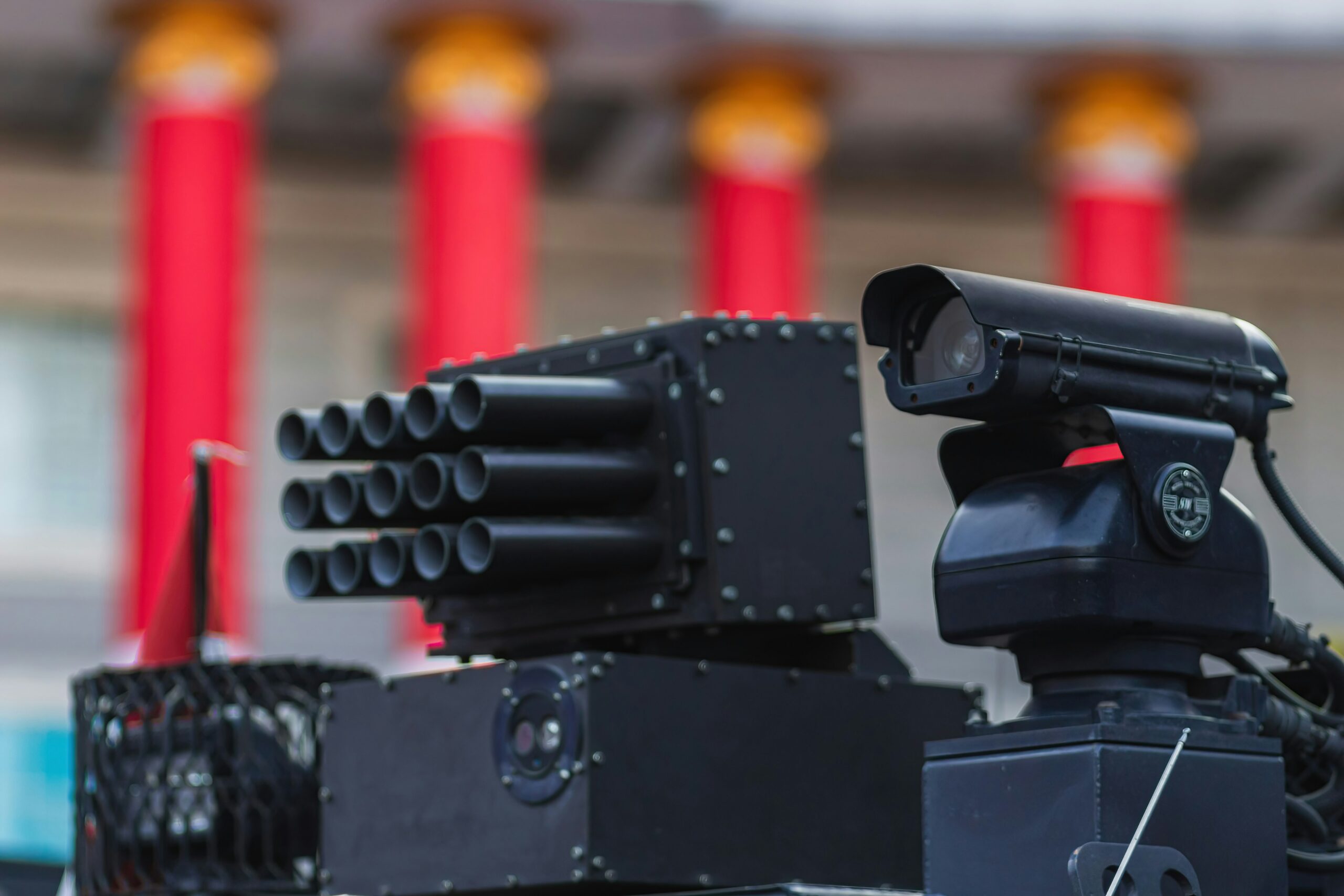
Cyber and physical security threats are rapidly evolving, but robotics and AI can evolve to meet them, writes a columnist. The post How robotics and physical AI can responsibly tackle key physical security challenges appeared first on The Robot Report .
全文内容 Full Text
Security sensors in Yogyakarta, Indonesia. Credit: Krisna Azie, Unsplash Robotics and artificial intelligence are deeply intertwined technologies. Where the former serves as the “body,” the latter provides the “brain,” with organizations continuing to develop the technology from traditionally rigid machinery into smart, adaptive agents designed to enhance productivity and operational efficiency. In particular, the evolving sector of physical security can benefit from the advancements in physical AI of the past few years. In 2026 alone, over $23 billion has been invested in organizations focused on improving how the two technologies work together. Much of the focus is on how developments can apply to protecting people and property. With more complex risks and threats against critical industry infrastructure such as data centers and manufacturing plants, organizations face new challenges in protecting these assets. The adaptive and scalable potential of physical AI and robotics when applied responsibly can help address these concerns and keep up with the changing physical security landscape. Understanding the primary challenges in 2026 can highlight where physical AI and robotics can fit into an organization’s physical security strategy . Almost all leading risks and threats fit into the broader categories of cyber-physical convergence, legacy constraints and global volatility. As cybersecurity and physical protection increasingly intersect, organizations face new threats. Connected security systems can include interlinked cameras, access control and sensors that, if malicious actors attacked the central platform, could leave considerable vulnerabilities, opening assets up to theft, damage, and disruption. One example of the impact is last year’s Jaguar Land Rover incident . Stolen credentials and social engineering from allegedly state-sponsored actors gained access to the automaker’s IT infrastructure, causing a major disruption. It completely halted physical production, costing the British economy an estimated $2.5 billion. The incident demonstrated how legacy technologies and volatility are leading to a growing number of cyber and physical security risks. Operating older hardware and software only enables personnel to react to events rather than attempt to prevent them, which cannot suffice in a security environment that becomes more vulnerable with growing tensions in both the geopolitical and socioeconomic spheres. Ultimately, adapting to a rapidly changing physical security climate is the key challenge for many organizations, especially in critical industries. The adaptive potential of physical AI and robotics can play a crucial role in helping address leaders’ growing security concerns. At GTC Taipei 2025, robotics and physical AI companies outlined a strategy centered on responsible, real-world deployment of these technologies for security. Robot research and development company Foxlink presented its “robot dog ” as a next-gen physical security asset designed to tackle the core challenges of protecting crucial assets. The feature set implemented in the quadruped robot addressed the core physical security need: adaptive functions that facilitate a more proactive security environment. Its integrated smart sensors help observe the patrolled area, using physical AI to register, process and act on any anomalies and unusual activity. The functionality enables a scalable, proactive approach to security, using the mobility of robotics and AI reasoning models to continuously learn, act on, and improve against complex security risks and threats. It’s an asset that can be particularly useful for enterprise security and emergency response. Foxlink and Luminys’ robotic dog includes NVIDIA and SYNC technology. Source: Alice Guo, brand manager, Luminys Foxlink and Luminys’ system is only as an example of what physical AI and robotics could achieve in solving security challenges. Circling back to the three current risk and中文摘要
网络和实体安全威胁正在迅速演变,但机器人和AI写一个专栏作家。AI《机器人报告》中首先出现的主要人身安全挑战。
Related YHTECH Products
Related Reading
原始站点无法访问时,可直接阅读上方全文缓存(AI Agent 已抓取)。
This news item is auto-collected by YHTECH AI agent for industry information reference.