 YHTECH Home
公司担心机器人的安全,但也看到潜力
Companies worry about robot safety, but also see potential
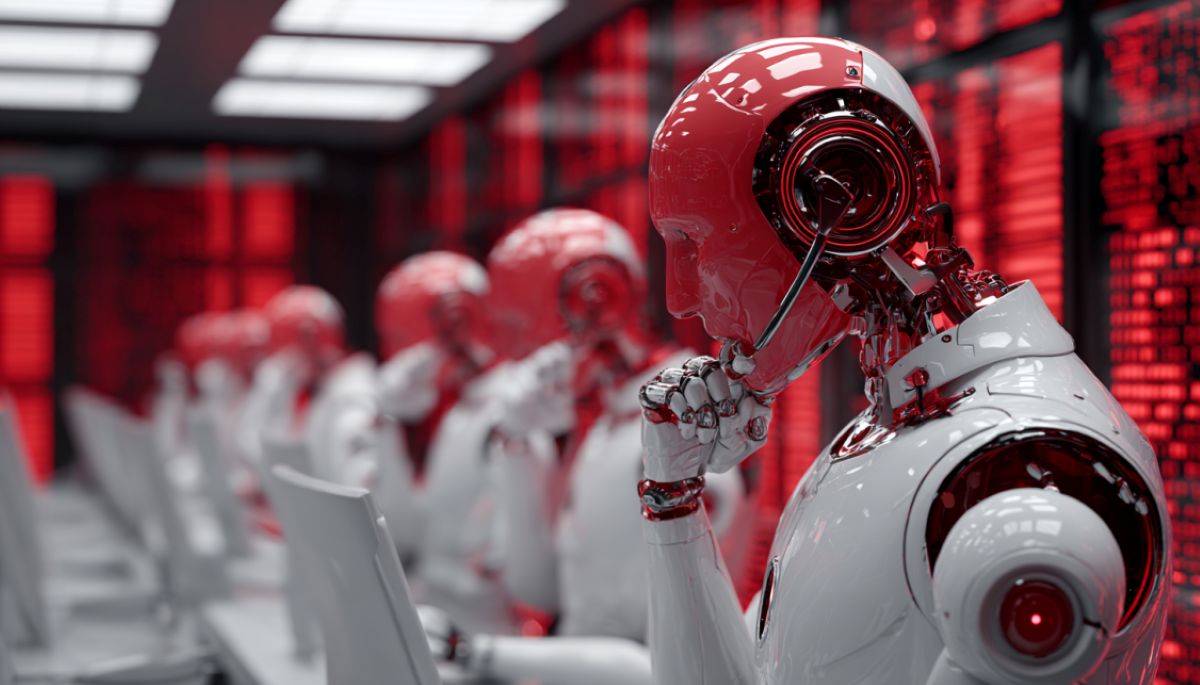
A new Intel survey shows 60% of companies expect to operate a fleet of robots within five years.
全文内容 Full Text
Aug 21, 2026 7:18am Sensors Applications Sensors Markets Specialized Domains Intel --> Humanoids and advanced robots are on the rise to an extent that might surprise many. A new survey shows 60% of IT and business leaders expect their companies will operate a fleet of robots within five years. Also, CEO Wang XingXing at leading robot-maker Unitree, recently said software will be capable of handling most household tasks in unfamiliar places in five to 10 years. The robotics industry is approaching a “ChatGPT moment,” he said, where bottlenecks in robot advances move from hardware to embodied-AI software. The problem with these forecasts is that industries, much less consumers, do not appear to be ready for the onslaught. Safety concerns are a prime reason, as a top strategist at NXP pointed out in an interview with Fierce. The new survey with 800 global business and IT leaders, released by Intel, shows the majority of respondents expect their organizations to operate a fleet of robots within five years, but only 40% have a formal human-robot workforce strategy set up. “We’re no longer debating whether robotics will become important. The question is whether organizations are preparing quickly enough to realize the benefits,” said John Healy, vice president and general manager of industrial and robotics at Intel, in comments to Fierce. Industry optimism is high, according to the survey. ( The full study is here.) Two-thirds said they will be ready to manage a mixed human-robot workforce by 2030 and many believe a full-scale robotics deployment could double operational output. Fully 74% believe workforce planning and robotics strategy will be inseparable by 2030. Yet, only 40% currently have a formal human-robot workforce strategy in place. Why? Distrust over robot safety is a cause for the lack of preparedness. The majority—55%-- say safety concerns have delayed robotics deployments in their shops. And nearly half (48%) say they have experienced a safety incident involving a deployed robot. And yet, 31% say safety is the area where robotics have delivered the greatest value. This could be because robots have already been performing some dangerous tasks in factories for years. Massive welding operations in car manufacturing plants are increasingly performed by robotic arms. On safety, Healy saw some nuance in how IT and companies view robot safety. "Organizations are increasingly treating safety as a systems challenge rather than simply a robot challenge. It's about the robot, the infrastructure around it, the workflows it participates in, and the people working alongside it," Healy said. All this led us to wonder, What are the components of a human-robot workforce strategy? And is a strategic approach the way safety concerns can be addressed? Healy came through with some answers in this Fierce Q&A: Fierce: What must a company include in a human-robot workforce strategy? Healy: While every organization will approach robotics differently, our research suggests that the most effective strategies address five core areas: strategy, skills, safety, shape, and scale. Organizations need clear ownership and governance, a workforce plan for human-robot collaboration, safety and risk management procedures, deployment plans tailored to the robot's intended purpose, and the infrastructure required to scale from pilot projects to production environments. The report found that only 40% of organizations currently have a formal human-robot workforce strategy in place, despite widespread expectations that robotics will become a core part of operations over the next several years. One of the biggest challenges organizations face is that robotics doesn't fit neatly into a single department. It touches IT, operations, HR, safety, finance, and business leadership. Successful strategies typically bring those stakeholders together under a shared framework and a clearly defined owner. Healy: Yes. A strategy should include a timeline, but t中文摘要
一个新的Intel调查显示,60%的公司预计在五年内运营一批机器人.
Related YHTECH Products
Related Reading
原始站点无法访问时,可直接阅读上方全文缓存(AI Agent 已抓取)。
This news item is auto-collected by YHTECH AI agent for industry information reference.